Diving into psychology means exploring the intricate workings of the human mind and behavior. Whether you’re fascinated by how memories form or curious about what drives emotions, understanding the core subjects lays a strong foundation.
These essential courses not only sharpen critical thinking but also prepare you for real-world applications in mental health, education, and beyond. As someone who’s walked this path, I can tell you that grasping these fundamentals truly transforms your perspective.
Let’s uncover the key psychology courses that set you up for success—stay tuned as we explore them in detail!
The Building Blocks of Human Behavior
Understanding Cognitive Processes
When diving into psychology, one of the first things that grabs your attention is how our minds process information. Cognitive processes include perception, attention, memory, and problem-solving.
I remember being fascinated by how memory works—not just how we store information but why some memories fade while others stick forever. Exploring these mental operations uncovers the mechanics behind learning and decision-making.
It’s more than just theory; this knowledge helps in everything from improving study habits to designing user-friendly technology. What I found particularly intriguing is how these processes interact, creating the complex tapestry of human thought.
Exploring Emotional Foundations
Emotions drive so much of what we do, yet understanding their roots is a whole other ballgame. This area dives into how feelings arise, the role of the brain’s limbic system, and how emotions influence behavior and relationships.
Personally, learning about emotional regulation helped me handle stressful situations better, showing me that emotions aren’t just spontaneous reactions but can be managed and shaped.
For anyone interested in counseling or human services, grasping this foundation is critical. It’s also a powerful tool for personal growth, helping us understand why we feel a certain way and how to channel those feelings constructively.
Behavioral Patterns and Conditioning
Behaviorism might seem old-school, but its principles are timeless. This part covers how behavior is learned and maintained through reinforcement and punishment.
I was amazed to see how simple rewards or consequences shape habits, sometimes without us even realizing it. This course ties directly into real-life applications like parenting techniques, workplace motivation, and even marketing strategies.
Understanding conditioning means you can predict and influence behavior, which is a skill that pays off in countless situations, both professionally and personally.
How the Brain Shapes Our Reality
Neuroscience Basics for Psychologists
Getting under the hood of the brain is where psychology gets incredibly hands-on. Neuroscience courses introduce you to the nervous system, brain anatomy, and neural communication.
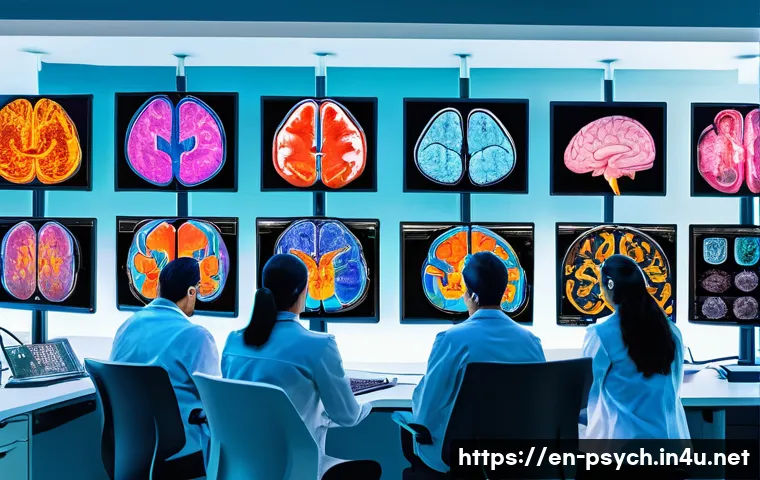
I recall my first lab session looking at brain scans and realizing how every tiny structure has a huge impact on behavior and cognition. It’s like discovering the blueprint for human experience.
The more you learn here, the more you appreciate how disorders like anxiety or depression have biological roots, which shifts your perspective from blaming personality to understanding complex brain functions.
Neuroplasticity and Lifelong Change
One of the most hopeful topics I encountered was neuroplasticity—the brain’s ability to change throughout life. This concept blew my mind because it means we’re not stuck with our brains as they are; we can literally rewire ourselves.
Whether recovering from injury or learning a new skill, this adaptability is powerful. I’ve applied these ideas personally by adopting new habits and seeing real mental shifts over time.
It’s a reminder that psychology isn’t static; it’s a dynamic field that evolves with every new discovery.
Linking Brain and Behavior in Practice
Understanding the brain isn’t just academic; it’s practical. Courses often include case studies that connect neural pathways to everyday behavior and mental health issues.
This approach helped me see the bigger picture—how brain chemistry affects mood disorders or how trauma impacts memory. It’s this intersection of biology and psychology that forms the backbone of effective treatment and intervention strategies, making it an essential part of any psychology curriculum.
Social Dynamics and Interpersonal Influence
Group Behavior and Social Psychology
Psychology doesn’t happen in a vacuum—our social environment shapes much of what we do. Social psychology courses dig into how groups influence attitudes, conformity, and decision-making.
I’ve always found it eye-opening how peer pressure or social norms subtly nudge us toward certain behaviors. This knowledge is invaluable in fields like marketing, politics, or community work, where understanding group dynamics can drive meaningful change.
Plus, it gives you a sharper eye for spotting social biases and stereotypes in everyday life.
Communication and Conflict Resolution
Interpersonal skills are a huge part of psychology, and this course covers how we communicate, misunderstand, and resolve conflicts. I’ve seen firsthand how learning about active listening and empathy can transform relationships.
It’s not just about talking but truly connecting, which is crucial for anyone working in counseling, education, or leadership. The techniques here aren’t abstract—they’re practical tools you can apply immediately to reduce tension and build trust in any setting.
Attitudes, Persuasion, and Influence
Why do people change their minds? This section explores persuasion theories and how attitudes are formed and shifted. It’s fascinating to learn about tactics used in advertising or political campaigns, and how subtle cues can sway decisions.
I found these insights particularly helpful when crafting messages or negotiating, showing that psychology is a powerful tool for influence when used ethically.
It’s a reminder that understanding human behavior also means respecting autonomy and promoting positive outcomes.
Developing Research Skills and Critical Thinking
Designing Psychological Studies

You can’t talk about psychology without research. This course teaches how to design experiments, gather data, and interpret results. I remember struggling at first with the technical details, but once I got the hang of it, the thrill of discovering new insights was unbeatable.
Good research design is the backbone of trustworthy psychology—it’s what separates speculation from science. Whether you’re aiming for academia or practical application, mastering these skills is non-negotiable.
Statistics and Data Analysis
Numbers can be intimidating, but in psychology, they tell stories. Learning statistics helped me see patterns in behavior and test hypotheses rigorously.
It’s not just about crunching numbers but understanding what they mean in real terms. From clinical trials to social experiments, this ability to analyze data critically boosts your credibility and sharpens your decision-making.
Plus, it’s a skill that’s highly valued across many industries.
Ethical Considerations in Research
Ethics is the compass that guides psychological research. This course covers informed consent, confidentiality, and the responsible treatment of participants.
What stood out to me was the delicate balance between advancing knowledge and respecting human dignity. Ethics isn’t just a checklist; it’s a mindset that shapes the entire research process.
Being well-versed here ensures your work is respected and impactful, and it’s essential for anyone planning a career in psychology.
Applying Psychology in Everyday Life and Careers
Clinical and Counseling Foundations
Courses in clinical psychology introduce you to diagnosing and treating mental health disorders. I found these classes both challenging and rewarding, especially when role-playing therapy sessions.
They prepare you for real-world scenarios where empathy and scientific knowledge must combine seamlessly. Whether you want to become a therapist or just help friends and family better, these courses give you practical tools for emotional support and healing.
Educational Psychology and Learning
Understanding how people learn is fundamental for educators and trainers. This area focuses on developmental stages, motivation, and instructional strategies.
I’ve seen how applying these principles in classrooms or training sessions leads to more effective teaching and deeper engagement. It’s a reminder that psychology isn’t just about individual minds but also about how we grow and learn together in communities.
Industrial-Organizational Psychology Insights
The workplace is a hotbed for psychological application. Industrial-organizational psychology covers topics like employee motivation, leadership, and workplace culture.
I was surprised at how much psychology influences productivity and job satisfaction. Learning these principles helped me navigate my own work environment and contributed to better team dynamics.
For anyone interested in HR or business, this course is a must-have toolkit.
Summary of Core Psychology Course Topics
| Course Focus | Key Concepts | Practical Applications |
|---|---|---|
| Cognitive Processes | Memory, perception, attention, problem-solving | Improved learning, technology design, decision-making |
| Emotional Foundations | Emotional regulation, limbic system, affective behavior | Stress management, counseling, personal growth |
| Behavioral Conditioning | Reinforcement, punishment, habit formation | Parenting, workplace motivation, marketing |
| Neuroscience Basics | Brain anatomy, neural pathways, neuroplasticity | Treatment of mental disorders, brain injury recovery |
| Social Psychology | Group dynamics, conformity, persuasion | Marketing, politics, community work |
| Research Methods | Experimental design, statistics, ethics | Scientific investigation, policy-making, clinical trials |
| Applied Psychology | Clinical practice, education, organizational behavior | Therapy, teaching, workplace improvement |
In Conclusion
Understanding the core elements of psychology provides valuable insights into human behavior and mental processes. From cognitive functions to social dynamics, these concepts shape how we interact with the world and each other. Applying this knowledge can improve personal growth, relationships, and professional success. Psychology is a constantly evolving field that offers practical tools for everyday life and career development.
Useful Information to Keep in Mind
1. Cognitive processes like memory and attention influence how we learn and make decisions daily.
2. Emotional regulation is key to managing stress and building healthy relationships.
3. Behavioral conditioning affects habits and can be applied in parenting, work, and marketing.
4. Neuroplasticity shows that the brain can adapt, allowing for lifelong learning and recovery.
5. Social psychology helps us understand group behavior and improve communication skills.
Key Takeaways
Psychology combines scientific research with practical application, emphasizing ethical standards and critical thinking. Mastering psychological principles enhances not only academic understanding but also real-world problem solving and interpersonal effectiveness. Whether pursuing a career in mental health, education, or business, integrating these foundational topics fosters deeper empathy, sharper analytical skills, and more meaningful human connections.
Frequently Asked Questions (FAQ) 📖
Q: What are the foundational courses I should take when starting psychology?
A: When you’re just diving into psychology, it’s crucial to begin with courses like Introduction to Psychology, Developmental Psychology, and Cognitive Psychology.
These classes give you a solid grasp of how the mind works, how people change over time, and how we process information. From my own experience, these subjects not only build your critical thinking but also help you see how psychological theories apply in everyday life.
Q: How can understanding psychology courses benefit me outside of academics?
A: Understanding core psychology concepts can seriously change the way you interact with the world. For example, learning about emotional regulation or social behavior has helped me improve my relationships and communication skills.
Plus, if you’re interested in careers like counseling, education, or human resources, these courses prepare you to handle real-life challenges more effectively by giving you insights into human behavior.
Q: Are psychology courses difficult for beginners, and how can I succeed in them?
A: Honestly, psychology can seem complex at first because it covers so many different areas of the mind and behavior. But don’t let that intimidate you. What worked for me was staying curious and applying what I learned to everyday situations—like noticing how memory works when I study or understanding motivation in friends.
Also, participating in discussions and practical exercises makes the material come alive, turning tricky concepts into something much more manageable.