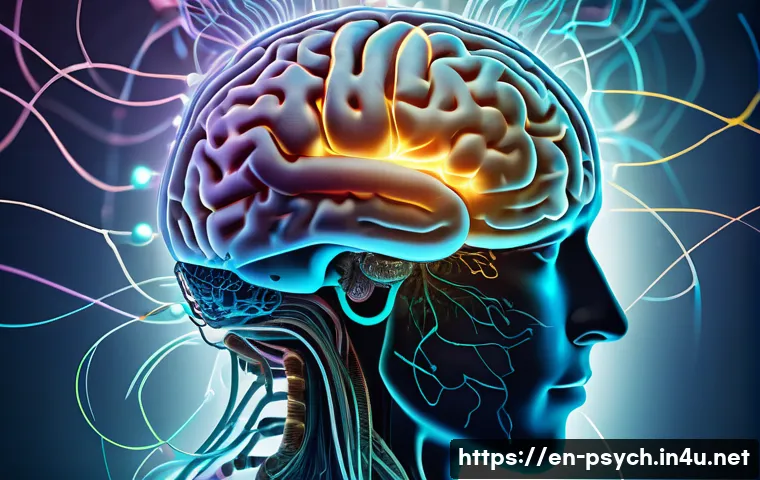
Understanding psychology isn’t just about theories scribbled in textbooks; it’s about how these ideas shape our daily lives and interactions. From why we make certain decisions to how emotions influence behavior, psychology offers fascinating insights that often surprise us.

Over time, these theories have evolved, blending scientific research with real-world applications. Whether you’re curious about mental health, motivation, or social dynamics, there’s always something new to discover.
Let’s dive deeper and explore the practical side of psychology together. I’ll make sure you get the full picture!
How Our Minds Shape Everyday Choices
Unpacking Decision-Making in Real Life
When you think about the last time you made a big decision, whether it was choosing a job, a restaurant, or even what to watch on Netflix, your brain was working overtime.
It’s not just about weighing pros and cons on paper; it’s about how emotions, past experiences, and even subtle biases influence that choice. For instance, I once opted for a familiar café instead of a new place, even though I wanted to try something different.
That’s the anchoring effect at work — our minds latch onto familiar reference points, making us hesitant to stray too far. Understanding this helps explain why people sometimes stick with the status quo, even when better options exist.
Emotions as the Invisible Hand
Emotions aren’t just fleeting feelings; they’re powerful forces steering our decisions and behaviors. Think about how you felt the last time you were stressed — maybe you grabbed comfort food or avoided social interaction.
That’s no coincidence. Emotional states can hijack rational thinking, nudging us toward choices that feel good in the moment but might not serve long-term goals.
Personally, I’ve noticed that when I’m anxious, I’m far less patient and more prone to snap judgments. Recognizing this pattern has helped me pause and take a breath before reacting, which often leads to better outcomes.
The Role of Habit in Our Daily Actions
Most of what we do every day isn’t a conscious choice but a habit — a mental shortcut our brain creates to save energy. Whether it’s brushing teeth or checking your phone first thing in the morning, habits shape a huge chunk of behavior.
I’ve tried breaking bad habits, like scrolling social media endlessly, and what worked best was replacing that urge with a healthier routine, like reading a chapter of a book.
This shows how habit loops can be rewired with enough awareness and persistence. Understanding the psychology behind habit formation can empower anyone to make meaningful changes without feeling overwhelmed.
The Social Forces Behind Our Behavior
How Group Dynamics Influence Our Actions
Ever noticed how people tend to act differently when they’re alone versus in a group? That’s social influence in action. From peer pressure to conformity, our brains are wired to seek acceptance and avoid rejection.
I remember attending a conference where I initially hesitated to speak up, but once a few others voiced their opinions, I felt more comfortable joining in.
This is a classic example of normative social influence — changing behavior to fit in with the group. Being aware of this can help you understand why you sometimes act out of character, and how to maintain your own voice in social settings.
The Power of Social Identity
Our sense of self is deeply tied to the groups we belong to, whether it’s family, nationality, or even fandoms. This social identity influences our attitudes and behaviors, often without us realizing it.
For example, I’ve seen how strongly people defend sports teams or political views, not just because of facts, but because those affiliations become part of their identity.
This can create both a sense of belonging and, unfortunately, sometimes division. Recognizing the power of social identity can help foster empathy and open-mindedness in interactions.
Understanding Social Norms and Expectations
Social norms are the unspoken rules that guide behavior in any culture or group. They shape everything from how we dress to how we communicate. I’ve noticed that when traveling abroad, even small differences in social norms — like greeting customs or tipping etiquette — can cause awkward moments or misunderstandings.
Being aware of these norms and the psychology behind them makes it easier to navigate diverse social environments and build rapport. It also explains why people sometimes feel pressure to conform even when they want to act differently.
The Hidden Drivers of Motivation
Intrinsic vs. Extrinsic Motivation
Why do we do what we do? Sometimes it’s for external rewards like money or praise, but often, it’s because of internal drives like passion or curiosity.
I’ve personally found that projects I’m intrinsically motivated to pursue — those that align with my interests or values — give me far more satisfaction and persistence than those I’m doing just for external rewards.
This distinction is crucial in psychology because understanding what truly motivates someone can unlock better performance and happiness.
The Role of Goal Setting in Driving Action
Setting clear, achievable goals is one of the most effective ways to stay motivated. I’ve used this technique countless times, breaking down big ambitions into smaller, manageable steps.
This approach not only makes progress feel tangible but also taps into the psychological reward system, giving a sense of accomplishment along the way.
Research backs this up: people who set specific goals are more likely to succeed than those with vague aspirations. The key is to make goals realistic and to celebrate milestones.
Overcoming Obstacles with Resilience
Motivation isn’t always steady; setbacks and failures can quickly sap enthusiasm. Developing resilience — the ability to bounce back from difficulties — is essential.
I’ve had moments when a project didn’t go as planned, and what kept me going was reframing failure as a learning opportunity. This mindset shift is supported by psychology, showing that resilience can be cultivated through positive self-talk, social support, and adaptive coping strategies.
It’s not about never failing but about how you respond when you do.
Perception and Reality: How We Interpret the World
The Subjectivity of Perception
Our brains don’t passively record reality; they actively interpret sensory information based on past experiences, expectations, and context. This means two people can witness the same event but come away with very different impressions.
I’ve experienced this firsthand in arguments where each party recalls details differently. Understanding this subjectivity is crucial in everyday communication, helping us appreciate that others’ perspectives are shaped by their unique mental filters.
Memory: Not Always a Perfect Recorder

Memory is famously unreliable and malleable. I once remembered a conversation quite differently from a friend, only to discover my brain had filled in gaps or altered details unconsciously.
Psychologists explain this through concepts like false memories and memory reconsolidation, showing how memories can be reshaped over time. This insight is important, especially in legal or personal contexts, reminding us to approach recollections with humility and care.
Illusions and Cognitive Biases in Perception
Our perception can be tricked by illusions and biases that distort reality. For example, optical illusions reveal how the brain fills in missing information or misinterprets shapes.
Similarly, cognitive biases like confirmation bias lead us to favor information that supports our beliefs, ignoring contradictory evidence. I’ve caught myself falling into this trap during debates, realizing that awareness of these biases is the first step to more objective thinking.
Emotional Intelligence in Everyday Life
Recognizing and Naming Emotions
One of the most practical psychological skills is emotional awareness — the ability to identify and label what we’re feeling. I’ve found that simply naming emotions like frustration or joy can reduce their intensity and help me respond more thoughtfully.
This process, often called emotional granularity, allows for better self-regulation and communication. It’s a skill worth practicing, especially in stressful situations.
Empathy: Walking in Someone Else’s Shoes
Empathy goes beyond sympathy; it’s the capacity to understand and share another person’s feelings. In my experience, practicing empathy has transformed difficult conversations into opportunities for connection.
It requires active listening and suspending judgment, which can be challenging but deeply rewarding. Research shows that empathy strengthens relationships and fosters cooperation, making it a cornerstone of social harmony.
Managing Emotional Reactions
Emotional intelligence also involves managing how we react to feelings, especially negative ones like anger or anxiety. Techniques like mindfulness, deep breathing, or reframing thoughts have helped me stay calm in heated moments.
These strategies aren’t just feel-good tips — they’re backed by science showing how they affect brain activity and improve decision-making. Mastering emotional regulation leads to healthier relationships and better mental health.
Psychological Tools for Enhancing Well-being
The Power of Mindfulness and Meditation
Mindfulness practice, which involves focusing on the present moment without judgment, has gained huge popularity for good reason. After trying it myself, I noticed reduced stress and improved concentration.
Scientific studies support these benefits, linking mindfulness to changes in brain regions associated with attention and emotional regulation. It’s not about emptying your mind but about becoming more aware of thoughts and feelings as they arise.
Building Positive Habits Through Behavioral Techniques
Beyond understanding habits, psychology offers practical tools for creating positive ones. Techniques like reinforcement, setting cues, and tracking progress have helped me build routines like daily exercise or journaling.
These methods tap into how our brain learns and adapts, making change less daunting and more sustainable. Small tweaks in environment and mindset often make the biggest difference.
Using Cognitive Behavioral Strategies to Shift Mindsets
Cognitive Behavioral Therapy (CBT) principles aren’t just for therapy; they can be applied in everyday life to challenge negative thought patterns and promote healthier perspectives.
For example, when I catch myself catastrophizing, I pause to question the evidence and consider alternative outcomes. This approach reduces anxiety and boosts resilience.
Learning to recognize and reframe unhelpful thoughts is a powerful tool for emotional well-being.
| Psychological Concept | Real-Life Application | Personal Insight |
|---|---|---|
| Decision-Making Biases | Choosing familiar options over new ones | Often stuck at a favorite café due to anchoring effect |
| Social Influence | Conforming to group opinions | Feeling more confident to speak up after others do |
| Habit Formation | Replacing scrolling with reading | Breaking bad habits by substituting healthier ones |
| Emotional Intelligence | Naming emotions to reduce intensity | Calming down by labeling frustration or anxiety |
| Motivation Types | Choosing projects aligned with passion | Intrinsic motivation leads to greater satisfaction |
| Memory Reliability | Discrepancies in recalling events | Realizing memories can be distorted over time |
| Mindfulness Practice | Reducing stress through meditation | Improved focus and emotional regulation |
In Conclusion
Our minds constantly shape the choices we make, influenced by emotions, habits, and social factors. Recognizing these hidden forces empowers us to make better decisions and foster personal growth. By understanding motivation, perception, and emotional intelligence, we can improve our well-being and relationships. Ultimately, awareness is the first step toward positive change in everyday life.
Useful Information to Remember
1. Decision-making is rarely purely logical; emotions and past experiences heavily influence our choices.
2. Habits form mental shortcuts that save energy but can be reshaped with consistent effort and awareness.
3. Social dynamics affect behavior, often encouraging conformity but also offering opportunities to assert individuality.
4. Intrinsic motivation tends to sustain long-term engagement better than external rewards.
5. Mindfulness and cognitive behavioral techniques are practical tools to manage emotions and improve mental health.
Key Takeaways
Understanding how our brain processes information and emotions helps us recognize biases and habits that impact daily decisions. Developing emotional intelligence and resilience enhances personal well-being and social interactions. Setting clear goals and cultivating mindfulness contribute to sustained motivation and stress reduction. Being mindful of social influences allows us to maintain authenticity while navigating group dynamics. These insights together provide a roadmap for living a more intentional and fulfilling life.
Frequently Asked Questions (FAQ) 📖
Q: How can understanding psychology improve my everyday decision-making?
A: Grasping psychological principles helps you recognize the underlying factors that influence your choices, like cognitive biases or emotional triggers.
For example, knowing about confirmation bias can make you more cautious about accepting information that only supports your existing beliefs. From my own experience, being aware of these mental shortcuts has made me pause and think twice before making impulsive decisions, leading to better outcomes in both personal and professional life.
Q: Why do emotions have such a strong impact on behavior according to psychology?
A: Emotions serve as powerful signals that prepare us to react quickly to situations, often bypassing rational thought. Psychology shows that emotions are deeply tied to survival mechanisms and social communication.
I’ve noticed that when I’m stressed or anxious, my behavior changes noticeably—sometimes I’m more irritable or avoidant. Understanding this connection helps me manage my responses better, rather than letting emotions control my actions unconsciously.
Q: How does psychology blend scientific research with real-world applications?
A: Psychology bridges theory and practice by testing ideas through experiments and then applying those findings to everyday issues like mental health, motivation, or relationships.
For instance, cognitive-behavioral therapy (CBT) is a direct application of psychological research that effectively treats anxiety and depression. From what I’ve seen, the strength of psychology lies in this dynamic interaction—it’s not just abstract ideas but practical tools that improve lives in tangible ways.