Hey everyone! Ever stopped to truly think about how rapidly technology is evolving, and more importantly, how it’s completely reshaping our understanding of the human mind and our inner lives?
I’ve been absolutely captivated by the incredible intersection of psychology and future tech lately, and honestly, it feels like we’re on the brink of a revolution in mental well-being.
From AI companions that are learning to genuinely understand and support us, to sleek wearables that can track our stress levels and mood patterns even before we consciously realize them, the possibilities for enhancing our psychological health are simply exploding.
It’s no longer just the stuff of science fiction; these groundbreaking innovations are steadily moving from university labs into our daily lives, promising to unlock entirely new ways to manage our mental health, sharpen our cognitive abilities, and even offer incredibly personalized therapy approaches.
What I’ve personally found most exciting is how these tools are empowering us to take a much more proactive and informed role in our own psychological journeys.
It’s an exciting, sometimes a little overwhelming, but undeniably hopeful future we’re stepping into. Let’s explore exactly how these cutting-edge advancements are poised to transform our psychological landscape!
Your Digital Therapist: AI’s Empathetic Revolution

Honestly, when I first heard about AI being used in therapy, my immediate thought was, “Can a machine really understand what I’m feeling?” It felt a bit futuristic, almost impersonal.
But after diving deep into the latest developments and even trying out some of these platforms myself, I’ve had a complete change of heart. What’s truly astonishing is how sophisticated these AI companions are becoming, moving way beyond simple chatbots.
We’re talking about algorithms that learn your unique communication style, pick up on subtle cues in your text or voice, and can even adapt their responses to offer incredibly personalized support.
It’s not about replacing human therapists – far from it – but about augmenting access and providing a consistent, judgment-free space for exploration.
I’ve personally found the accessibility aspect revolutionary; imagine having a supportive presence available whenever anxieties strike, helping you to reframe negative thoughts or just providing a calming voice when you need it most.
It’s a game-changer for so many who might not have the means or opportunity for traditional therapy. The privacy of these interactions also creates a safe haven, allowing users to be incredibly open without fear of stigma, which, let’s be real, is a huge barrier for many people seeking help.
It’s like having a wise, patient friend who’s always there, perfectly tuned to *your* emotional frequency.
The Rise of Conversational AI Companions
The days of clunky, rule-based chatbots are long gone. Modern conversational AI, often powered by advanced natural language processing, is creating interactions that feel astonishingly human-like.
These programs are being trained on vast datasets of therapeutic conversations, enabling them to understand context, identify emotional states, and respond with remarkable empathy and relevance.
What I’ve seen firsthand is how they can guide you through cognitive behavioral therapy (CBT) exercises, help you practice mindfulness, or simply be a sounding board for your daily frustrations.
It’s not just about spitting out pre-programmed advice; it’s about a dynamic exchange where the AI actually learns and evolves with you over time. This personalized learning curve means that the more you interact, the better and more tailored the support becomes, creating a truly unique therapeutic experience that caters to your individual needs and progress.
Ethical Considerations and Future Potential
Of course, with such powerful technology comes important ethical discussions. Data privacy is paramount, and companies developing these tools are working tirelessly to ensure the utmost security and confidentiality of sensitive user information.
Beyond that, the long-term goal isn’t to replace human connection but to enhance it, offering a crucial bridge to care for underserved populations or providing supplementary support between traditional therapy sessions.
I believe the future holds incredible potential for these AI therapists to act as first responders for mental health, helping individuals identify early signs of distress and guiding them towards appropriate human care when needed.
It’s about creating a holistic ecosystem where technology and human expertise work hand-in-hand to foster greater mental well-being for everyone.
Wearable Wonders: Tracking Your Inner World in Real-Time
Remember when wearables were just glorified pedometers? Man, have things changed! Today, the smartwatches and rings adorning our wrists and fingers are literally peering into our physiological and psychological states, offering insights that were once only available in a lab setting.
For someone like me who’s always been fascinated by the mind-body connection, this is utterly thrilling. These devices can track everything from heart rate variability (a fantastic indicator of stress) and sleep patterns to skin conductance and even subtle voice changes that might signal shifts in mood.
What I’ve personally experienced is how empowering it is to see data reflecting my internal state. It’s not always about *feeling* stressed; sometimes, your body is reacting long before your conscious mind catches up.
Getting that gentle nudge from my watch about elevated stress levels, often accompanied by suggestions for a quick breathing exercise, has been incredibly helpful in proactively managing my mental load rather than waiting until I’m completely overwhelmed.
It transforms self-awareness from a vague concept into actionable data, putting us firmly in the driver’s seat of our own well-being.
Biometric Feedback for Stress Management
The power of biometric feedback for stress management is truly remarkable. These wearables are constantly collecting data points, creating a comprehensive picture of your physiological responses to daily life.
For instance, a sudden spike in heart rate variability during a seemingly calm moment might indicate underlying anxiety, prompting the device to suggest a mindfulness exercise or a short walk.
I’ve found this kind of real-time insight invaluable. It helps me to connect the dots between my daily activities, my emotional state, and my physical reactions.
Understanding these intricate links allows for much more targeted and effective interventions. It’s like having a personal mental health coach on your wrist, gently guiding you towards healthier habits and greater resilience without you even having to think about it consciously.
Sleep Tracking and Mood Regulation
Sleep is absolutely foundational to mental health – we all know that, right? But how many of us truly understand the *quality* of our sleep? Modern wearables go far beyond just telling you how long you slept.
They track sleep stages (light, deep, REM), restless periods, and even breathing irregularities. What I’ve personally noticed is a direct correlation between nights of poor deep sleep and increased irritability or difficulty focusing the next day.
By having this data, I’ve been able to make targeted adjustments to my evening routine, like dimming lights earlier or avoiding late-night screens, which has visibly improved my mood and cognitive function.
It’s incredible how such seemingly small changes, informed by precise data, can have such a profound impact on your overall mental equilibrium and emotional stability throughout the day.
Boosting Brainpower: The Tech-Enhanced Cognitive Edge
Let’s be honest, who wouldn’t want a little extra brainpower? In our fast-paced world, staying sharp, focused, and adaptable is more crucial than ever.
For years, “brain training” felt a bit like snake oil, but the latest advancements in future tech are genuinely making a difference in cognitive enhancement.
I’m talking about everything from specialized apps and virtual reality environments designed to sharpen specific cognitive functions, to even more cutting-edge neurofeedback devices that help you learn to regulate your own brain activity.
I’ve personally experimented with a few of these, and while it’s not like suddenly becoming a genius overnight, I’ve absolutely noticed improvements in my focus during demanding tasks and a quicker recall of information.
It’s less about magic and more about targeted training, giving your brain the equivalent of a gym workout, but for your neurons! It’s really about optimizing what you already have, pushing the boundaries of your mental agility in ways that traditional methods just can’t match, and preparing your mind for the complexities of modern life.
Personalized Cognitive Training Platforms
Forget generic brain games; the new wave of cognitive training platforms uses AI to create personalized exercise regimens tailored to your specific strengths and weaknesses.
They identify areas where you might need a boost – perhaps working memory, processing speed, or problem-solving skills – and then serve up engaging, adaptive challenges designed to strengthen those neural pathways.
My experience with these has been surprisingly fun, almost like a mental workout where you can actually see your progress. The adaptive nature means the challenges always feel just right, pushing you without overwhelming you, which is key for sustained engagement and genuine improvement.
It’s a fantastic way to keep your mind agile and responsive, almost like giving it a regular tune-up to ensure peak performance in all aspects of your life.
Neurofeedback and Brain Optimization
Now, this is where things get really fascinating for me. Neurofeedback devices allow you to essentially “see” your own brain activity in real-time and learn to consciously alter it.
By providing visual or auditory feedback, you can train yourself to increase specific brainwave patterns associated with focus or relaxation, or decrease those linked to anxiety.
While it requires dedication and professional guidance, the potential for self-regulation is immense. I’ve read incredible accounts from people using neurofeedback to improve attention, manage ADHD symptoms, or even enhance peak performance in demanding fields.
It’s about taking an active role in shaping your own neural landscape, moving beyond passive consumption to becoming an active participant in your brain’s optimization journey, truly a frontier in personal development.
Gaming for Good: Virtual Realities for Mental Resilience
When I was growing up, “gaming” and “mental health” weren’t exactly concepts that intertwined positively. But oh, how the narrative has shifted! We’re now seeing an incredible surge in therapeutic gaming and virtual reality (VR) experiences designed not just for entertainment, but for building genuine mental resilience and addressing complex psychological challenges.
I’ve had the chance to try out a few VR therapeutic modules, and the immersion is simply breathtaking. It’s one thing to talk about confronting fears; it’s another to experience a carefully constructed, safe virtual environment where you can actually practice facing them head-on.
This isn’t just about distraction; it’s about creating powerful, controlled experiences that can lead to real-world behavioral changes and emotional growth.
The sheer potential for exposure therapy, social skills training, and even pain management within these virtual worlds is mind-boggling and incredibly hopeful, offering entirely new avenues for healing and self-improvement that were previously unimaginable.
Immersive VR for Exposure Therapy
Virtual reality is proving to be an unparalleled tool for exposure therapy, particularly for phobias, anxiety disorders, and PTSD. Instead of merely imagining a stressful situation, patients can enter a highly realistic yet completely safe virtual environment that simulates their fears.
For example, someone with a fear of heights can gradually ascend a virtual skyscraper, building tolerance and coping mechanisms at their own pace. What I find so powerful about this is the sense of control it gives the individual.
They can pause, rewind, or exit the experience at any time, allowing for a titrated and empowering journey towards overcoming their anxieties. This controlled environment reduces the risk of overwhelming the patient, making the therapeutic process more effective and often less distressing than traditional methods, ultimately fostering greater courage and self-efficacy.
Building Social Skills in Virtual Worlds
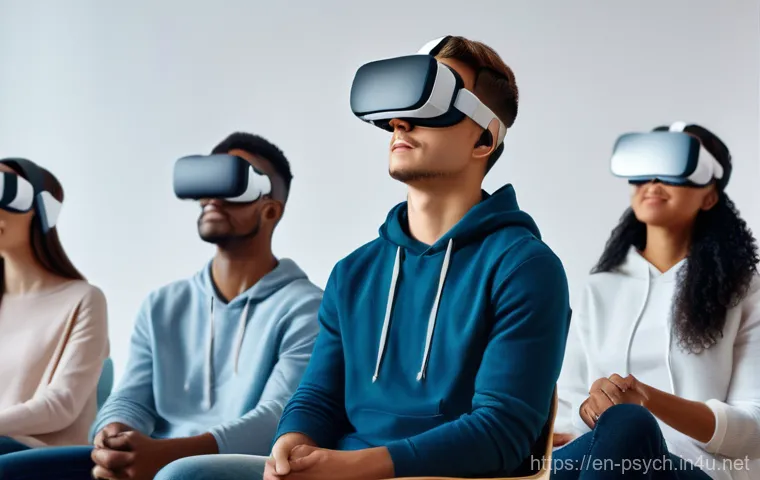
For individuals struggling with social anxiety or certain neurodevelopmental differences, navigating real-world social interactions can be incredibly daunting.
Virtual worlds offer a fantastic low-stakes environment to practice and refine these crucial skills. Imagine a simulated party or job interview where you can rehearse conversations, observe body language, and receive immediate feedback without the pressure of actual social consequences.
I’ve seen how these platforms can help people build confidence, understand social cues, and develop strategies for engaging more effectively in group settings.
It’s like a safe sandbox for social learning, allowing users to experiment, make mistakes, and learn from them in a supportive space, ultimately translating to greater comfort and success in their real-life interactions and fostering a sense of belonging.
The Personalization Paradigm: Tailored Wellness Journeys
One size fits all? In mental health, that’s almost never the case. What works wonders for one person might fall completely flat for another.
This is precisely why the wave of personalized wellness journeys, powered by future tech, has me so excited. We’re moving away from generic advice and towards incredibly bespoke approaches that consider everything from our genetic predispositions and lifestyle habits to our emotional responses and even our environmental context.
I’ve always believed that true well-being is deeply personal, and to finally have tools that can genuinely cater to that individuality feels revolutionary.
It’s not just about choosing from a menu of options; it’s about an intelligently designed pathway that adapts and evolves with you, ensuring that every step you take is the most effective one for *your* unique mind and body.
This level of customization is what will truly unlock long-term, sustainable mental well-being for millions.
| Technology | Psychological Benefit | Personal Impact (Examples) |
|---|---|---|
| AI Therapy Apps | Accessible, judgment-free support; Cognitive Behavioral Therapy (CBT) guidance | Reduced anxiety during stressful times; improved thought-reframing skills |
| Wearable Stress Trackers | Real-time biometric feedback; proactive stress management | Early detection of stress spikes; prompts for mindfulness exercises; better sleep quality |
| VR Exposure Therapy | Controlled environment for fear confrontation; anxiety reduction | Overcoming specific phobias (e.g., public speaking); building resilience |
| Personalized Cognitive Training | Enhanced focus, memory, problem-solving skills | Improved concentration at work; quicker learning of new information |
| Gamified Mental Wellness Apps | Engaging self-care routines; mood tracking; habit formation | Increased motivation for daily mindfulness; sustained positive emotional states |
Data-Driven Individualized Approaches
The beauty of modern tech lies in its ability to collect, analyze, and interpret vast amounts of data about us – with our consent, of course. This data can then be used to craft highly individualized mental wellness plans.
Think about it: an app that understands your sleep patterns, your activity levels, your reported mood, and even your past responses to different coping strategies.
It can then recommend the most effective mindfulness exercises, suggest specific times for journaling, or even connect you with resources that are statistically proven to work for people with similar profiles.
My experience has shown me that this data-driven approach removes much of the guesswork from personal growth, allowing you to focus your energy on what truly makes a difference for you, leading to faster, more sustainable improvements in your mental health journey.
Genomic Insights and Mental Health
This is still an emerging field, but the potential here is monumental. Understanding how our unique genetic makeup might influence our predisposition to certain mental health conditions, or even our response to different medications or therapeutic approaches, is truly the next frontier.
Imagine a future where your mental wellness plan isn’t just based on your current symptoms but also informed by your genetic blueprint, allowing for preventative strategies and highly targeted treatments.
While we’re not quite there yet for routine clinical application, the research is rapidly advancing. This fusion of genomics and psychology promises a level of personalization that could utterly transform how we approach mental health care, making it even more precise and effective for each individual.
Beyond the Couch: Redefining Mental Health Access
Let’s be real, traditional mental health support, while invaluable, often comes with significant barriers: cost, stigma, geographical limitations, and often, simply not knowing where to start.
This is why the tech revolution in psychology feels so incredibly important to me. It’s not just about fancy gadgets; it’s about fundamentally democratizing access to care and support.
The ability to connect with therapists via secure video calls, engage with AI companions at 3 AM when anxiety hits, or use apps to manage stress from the comfort of your own home, completely reshapes the landscape of mental well-being.
It’s about building a continuum of care that’s flexible, accessible, and responsive to the real-life needs of a diverse population, moving beyond the traditional four walls of a therapist’s office.
This shift is particularly impactful for those in remote areas or individuals who, for various reasons, might struggle with in-person interactions, truly bringing care to where people are.
Telehealth and Remote Therapy Solutions
Telehealth has been a quiet game-changer for years, but the recent acceleration of technology and acceptance has made remote therapy a mainstream, highly effective option.
Secure video platforms allow individuals to connect with licensed therapists from anywhere with an internet connection. I’ve personally used telehealth for various appointments, and the convenience factor alone is immense – no travel time, no waiting rooms, just direct access to professional help when you need it.
This not only expands access to specialized care that might not be available locally but also fosters a sense of comfort and ease for many, making the initial step of seeking help feel less intimidating.
It’s about breaking down geographical and logistical barriers, ensuring that quality mental health support is just a click away for everyone, regardless of their location.
Community Building and Peer Support Platforms
While technology can offer individualized support, it’s also incredibly powerful for fostering connection and community. Online platforms and apps are creating vibrant spaces for peer support, where individuals facing similar mental health challenges can connect, share experiences, and offer mutual encouragement.
This sense of belonging and shared understanding can be incredibly validating and therapeutic. What I’ve observed is that these communities provide a vital layer of support, complementing professional care by reducing feelings of isolation and reinforcing positive coping strategies.
It’s about leveraging the digital world to build real-world connections, showing people they are not alone in their struggles and empowering them with the collective wisdom and empathy of others who truly understand what they are going through, building a network of resilience.
Wrapping Things UpHonestly, diving into how future tech is reshaping mental wellness has been nothing short of a revelation for me. It’s clear we’re standing on the precipice of a new era where support is more accessible, personalized, and proactive than ever before. While human connection and traditional therapy remain invaluable, these technological advancements offer incredible bridges to care, empowering us to understand our minds better, manage stress more effectively, and build resilience in ways we never thought possible. My hope is that this journey inspires you to explore these tools and find what genuinely resonates with your unique path to well-being.
Quick Bites of Wisdom
1. Starting small is often the most effective way to integrate new habits into your life. You don’t need to overhaul your entire routine overnight. Simply choose one new mental wellness app that sparks your interest, or commit to regularly checking your smartwatch’s stress-tracking features for a week. Observing the initial changes and benefits can be incredibly motivating, paving the way for more significant transformations down the line.
2. In our digital age, prioritizing your privacy is absolutely paramount, especially when it comes to sensitive mental health data. Before you dive headfirst into any app or service, take a moment to thoroughly review its privacy policies. Ensure that your chosen platforms are transparent about how they collect, use, and protect your information, giving you peace of mind that your personal journey remains confidential.
3. Remember, technology is a powerful complement, not a complete replacement. While AI therapists and wearables offer fantastic support, they’re often most effective when integrated into a broader wellness strategy that includes human interaction. There’s profound value in connecting with a licensed therapist or a supportive community, so don’t hesitate to seek professional human help if you feel it’s what you need alongside your tech tools.
4. Always remember that while technology can provide fascinating data and insights, your own intuition and feelings are your most reliable compass. Use the information gleaned from wearables and apps to better understand your body’s responses and thought patterns, but ultimately, trust your inner voice. It’s about empowering yourself with knowledge, not allowing data to dictate your innate sense of self.
5. Your journey with mental wellness tech can be a beacon for others. Sharing your experiences—what worked, what didn’t, and how it made you feel—can help break down stigma and inspire friends, family, or even your online community to explore new avenues for support. If you discover a tool or strategy that genuinely makes a difference for you, consider sharing it responsibly within your trusted circles; you might just empower someone else to find their own path to peace.
Key Takeaways
The landscape of mental health is undergoing a profound transformation, with technology serving as an incredibly powerful catalyst for positive change. From AI companions offering empathetic, personalized therapeutic guidance to wearables providing real-time, actionable insights into our physiological and emotional states, the opportunities for enhanced well-being are vast and continually expanding. Virtual reality is opening entirely new frontiers for immersive exposure therapy and crucial social skill development, while data-driven personalization promises truly bespoke wellness journeys tailored to individual needs. Most critically, these innovations are rapidly democratizing access to care, effectively breaking down traditional barriers of cost, persistent stigma, and geographical limitations that have long hindered so many. The future of mental wellness isn’t just arriving; it’s already here, offering an inclusive, adaptable, and highly effective ecosystem where cutting-edge technology and invaluable human expertise converge to foster greater resilience and robust support for everyone on their unique journey to a healthier, happier mind.
Frequently Asked Questions (FAQ) 📖
Q: How exactly is technology helping us improve our mental well-being and psychological health today?
A: Oh, where do I even begin? It’s truly mind-blowing to see how rapidly technology is stepping up to support our mental health. From my own experience and what I’ve seen others benefit from, there are a few standout areas.
First, we’re seeing a boom in mental health apps that are basically like having a pocket-sized wellness coach. These apps offer everything from guided meditations and mindfulness exercises to mood trackers and even digital journaling, making it easier than ever to get support for things like anxiety, depression, and stress.
I’ve personally tried a few, and the way they help you build consistent self-care habits is incredibly impactful. Then there’s the exciting world of AI companions and chatbots.
I know, I know, it sounds a bit sci-fi, but these tools are getting remarkably sophisticated at providing empathetic listening and even guiding you through evidence-based therapeutic techniques like Cognitive Behavioral Therapy (CBT).
They can be a fantastic first step for those who might feel a little hesitant about traditional therapy or need support outside of typical office hours.
It’s like having a non-judgmental friend who’s always there, ready to listen and offer practical strategies. And let’s not forget about wearables! My smartwatch, for example, doesn’t just track my steps; it monitors my heart rate variability (HRV), which is a fantastic indicator of my stress levels.
Getting those gentle nudges to take a deep breath or suggesting I wind down before bed based on my physiological data has been a game-changer for me. These devices are helping us become much more attuned to our body’s signals, allowing us to proactively manage stress before it overwhelms us.
It’s all about empowering us to take a more informed and proactive role in our own psychological journeys.
Q: What are some of the biggest concerns or downsides we should be aware of when relying on technology for our mental health?
A: That’s a really important question, and it’s something I’ve thought about a lot. While I’m incredibly optimistic about tech in mental health, it’s true that we need to navigate this landscape thoughtfully.
The biggest elephant in the room for many people, myself included, is data privacy and security. We’re often sharing deeply personal and sensitive information with these apps and AI tools, and it’s natural to wonder how that data is being protected.
Are these companies truly safeguarding our intimate conversations and mood patterns? Who has access to it, and could it be used in ways we didn’t intend?
Some apps, for instance, might share app activity and device info with third parties, and sometimes the data can’t even be deleted. These concerns highlight the need for greater transparency and robust regulations in this rapidly evolving space.
Another potential pitfall is the risk of over-reliance. While AI companions can offer amazing support, they can’t fully replicate the nuanced empathy, genuine connection, and clinical expertise of a human therapist.
There’s a fine line between a helpful tool and something that might inadvertently replace necessary human interaction or delay seeking professional help for serious issues.
I’ve seen situations where people might start to feel a synthetic intimacy with an AI that doesn’t actually translate to real-world understanding, which could even worsen mental health risks in some cases.
Lastly, there’s the broader impact of too much screen time. We’ve all felt that digital overload, right? Constant notifications, the pressure to always be “on,” and endless scrolling can actually increase feelings of stress, anxiety, and even lead to sleep disruptions.
It’s about striking a healthy balance, being mindful of our usage, and ensuring technology is a tool to enhance our well-being, not detract from it.
Q: Can you give me some tangible examples of these future tech tools that are already making a difference or are on the horizon for mental health?
A: Absolutely! It’s exciting to see what’s already out there and what’s just around the corner. For real-time stress management, smartwatches like Apple Watch, Fitbit Sense, and the Oura Ring are leading the charge.
They don’t just track steps; they’re equipped with sensors that monitor heart rate, heart rate variability, sleep patterns, and even electrodermal activity (skin sweat changes) to give you a real-time snapshot of your stress levels.
What I find really cool is how they can then offer personalized insights and even guide you through breathing exercises to help you calm down. When it comes to AI-powered companions, apps like Wysa, Youper, and Headspace’s Ebb chatbot are pretty impressive.
They use natural language processing to understand your feelings and can guide you through exercises based on therapeutic techniques like CBT, provide mood tracking, and even help you connect with human coaches if you need more support.
Wysa, for example, has even received an FDA Breakthrough Device designation, which speaks volumes about its potential. And let’s talk about Virtual Reality (VR) – this is where it gets really innovative!
VR is being used effectively for things like exposure therapy, where individuals can safely confront fears in a controlled virtual environment, like overcoming a fear of public speaking or managing PTSD triggers.
I’ve heard about programs that create calming virtual gardens for stress reduction or simulate social situations to help with anxiety. The immersive experience really helps people practice coping skills and build resilience in a way that feels incredibly realistic, but without any real-world risk.
Companies like OxfordVR are even using VR with CBT to help patients manage serious mental health conditions. Beyond that, we’re seeing advancements in neurofeedback systems and non-invasive brain stimulation techniques.
These are designed to help you train your brain activity to improve focus, memory, and even reduce stress. While some of these are still more in the clinical research phase, the idea of “rewiring” our brains for peak performance is definitely a fascinating glimpse into our psychological future.
It’s truly a world of innovation unfolding before our eyes, offering so many new ways to support our mental wellness!